 ™
™The quiet child in the back row
The Befundo team · May 23, 2026 · 2 min read
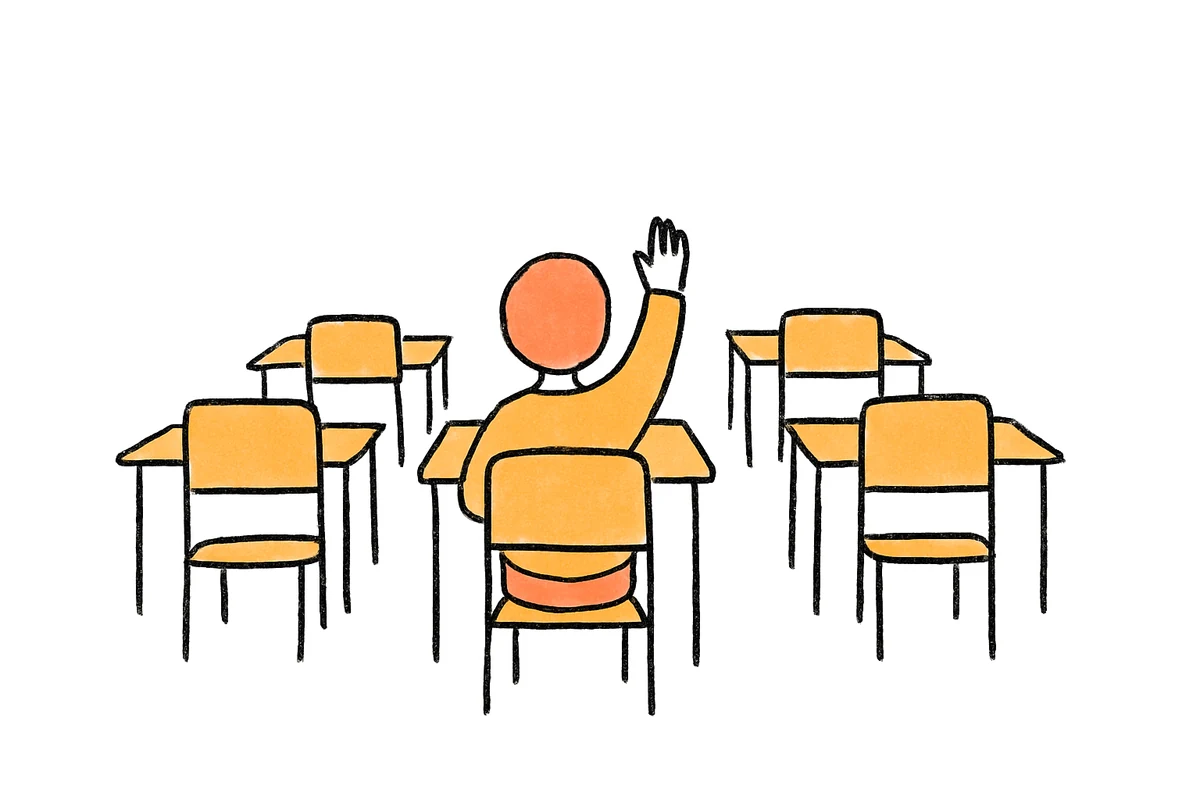
Every class has one or two. They turn up, they do what's asked, they never cause a problem, and after a term nobody could tell you much about them.
They're also, reliably, the children most likely to leave.
The quick answer
- Attention goes to whoever demands it. The quiet child gets the least feedback.
- Use their name, give them something specific, and ask a question they can answer.
- Your own record shows them to you: attendance and notes on each student's page.
- If you can't write two sentences about a child, that's your signal.
Why it happens
Attention in a class goes to whoever demands it: usually the child struggling loudly or the child racing ahead. A child who's coping quietly is, by every visible measure, fine. So they get less feedback than anybody, and less feedback means less to hold onto.
What it looks like from home
Often nothing. They say it was fine. They don't complain. And then in January they'd rather not go back, and can't say why beyond a shrug.
What helps
Use their name in the session. Not as a correction, as an observation. Being noticed doing something right is the whole intervention.
Give them a specific thing. Quiet children very often don't know whether they're any good, because nobody has told them either way.
Ask a question they can answer. Not the hardest one in the room: one where they'll be right, in front of everybody, once.
Notice them in your own record
On Befundo, every student has a page in each class: Members, then their name. It shows their attendance, the work they've done, and your notes. A page with a steady run of attendance and no notes at all is the quiet child, in the record.
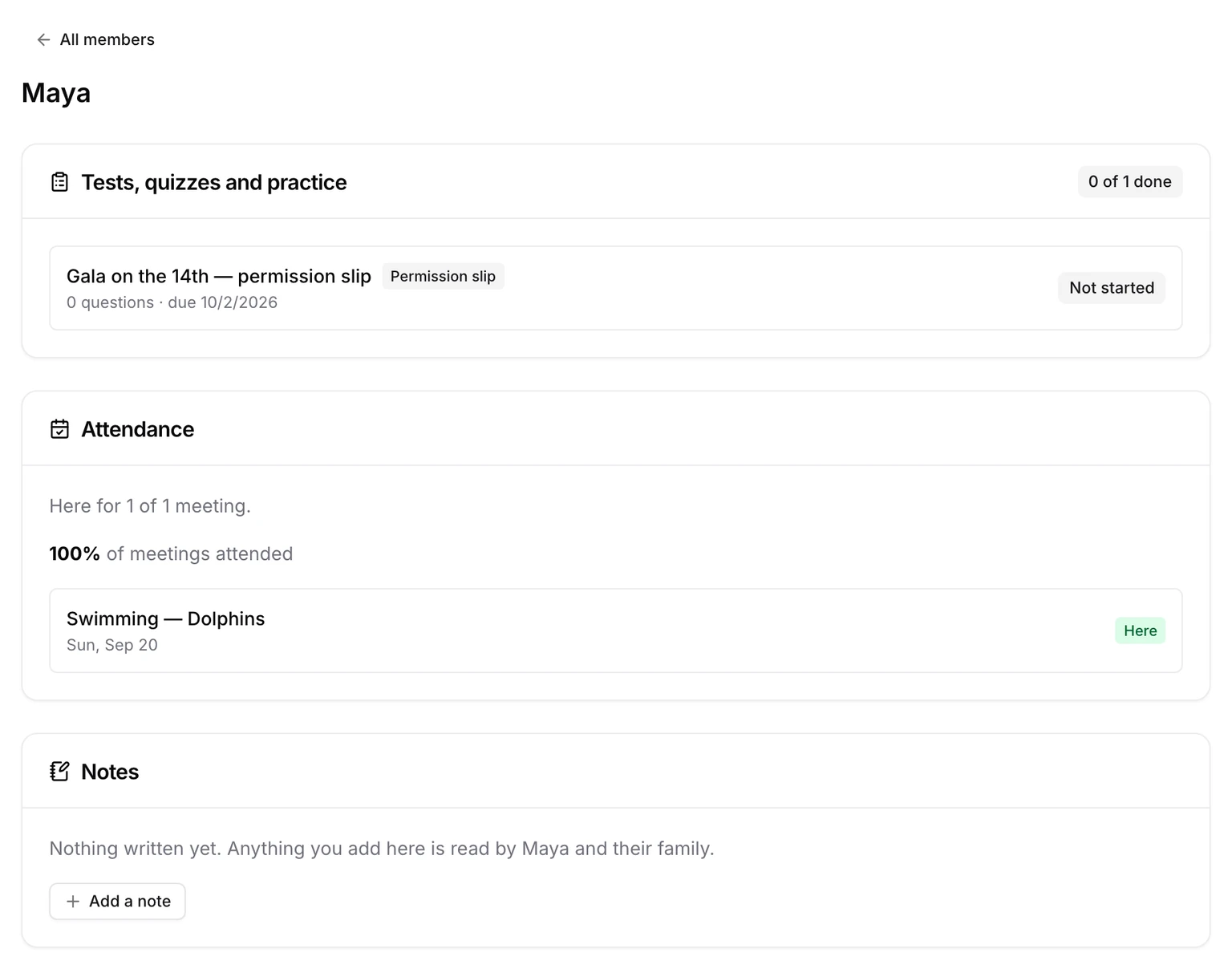
Write them a note: one specific thing you saw. Their family reads it, and so do they.
It isn't a judgment on the child. It means the class hasn't made room for them yet, and the fix is small.
Write the note
Open a class, go to Members, choose the student you know least about, and press Add a note.